Rainbow Springs State Park
Rainbow Springs State Park
Summary
Rainbow Springs State Park in Dunnellon, Florida protects one of the state’s largest first-magnitude springs and the headwaters of the Rainbow River. The park combines natural springs, cultural gardens, man-made waterfalls, upland sandhill habitat, and a spring-fed river system that maintains a constant temperature of approximately 72 degrees year-round.
For centuries, people have gathered here for water, recreation, and renewal. Today, the park serves swimmers, paddlers, hikers, campers, and wildlife watchers within a protected 1,000-plus acre landscape.
Location
Rainbow Springs State Park is located in Dunnellon, Florida, within Marion County. The headsprings area is separate from the campground and tubing entrance. The spring complex forms the source of the Rainbow River, which flows south to the Withlacoochee River.
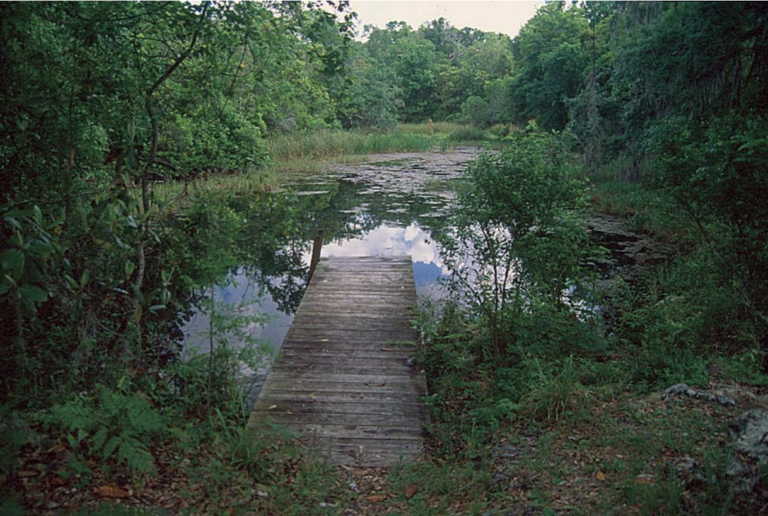
The park includes wooded hammocks, sandhill habitat, ornamental gardens, and a developed headspring swimming area. The spring water remains clear and cool throughout the year, supporting both recreation and aquatic life.
Access and Visitation
The park is open daily from 8 a.m. to sunset. Entry fees apply per vehicle. Due to high visitation, the headsprings entrance may close temporarily when capacity is reached. Visitors are not permitted to wait in line on adjacent roads during closures.
Camping check-in begins at 3 p.m. Annual passes may be restricted to weekday purchase during peak periods.
Planning ahead is recommended during spring and summer, when swimming and tubing demand is highest.
Experiences and Recreation
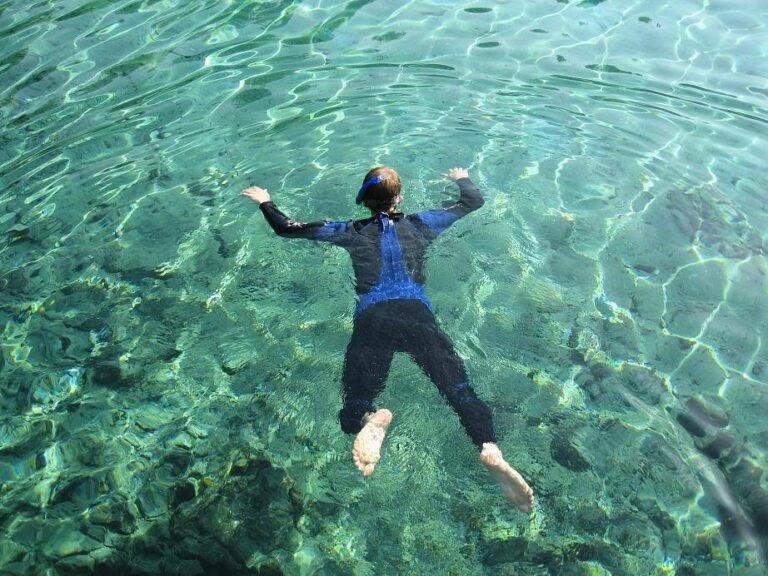
The park offers swimming at the headsprings area, paddling on the Rainbow River, hiking on paved and natural surface trails, snorkeling, picnicking, birding, wildlife viewing, and camping.
The headsprings area includes a cordoned swimming zone, grassy picnic areas, interpretive exhibits, and concessions. Canoe and kayak rentals are available near the river launch area.
Tubing operates from a separate entrance and involves shuttle logistics. The campground, located several miles from the headsprings entrance, offers RV and tent sites and river access for registered campers.
Visitor feedback consistently notes the clear water, well-maintained trails, and landscaped waterfall loop as highlights. The park can reach capacity on weekends and holidays, especially during warmer months.
Gardens and Cultural Features
The ornamental gardens and constructed waterfalls are defining visual elements of the park. These features date to the springs’ period as a private attraction. Today they are maintained as cultural landscape assets within the state park system.
Azaleas bloom in early spring, and paved pathways guide visitors through landscaped areas that contrast with the surrounding natural hammock and sandhill ecosystems.
Habitat and Wildlife
The park supports a range of native wildlife including turtles, fish, wading birds, osprey, hawks, and river otters. Upland areas may provide habitat for species such as gopher tortoises and native reptiles.
Habitat restoration efforts are ongoing in portions of the park, including sandhill restoration through prescribed burning, non-native tree removal, and invasive plant control.
History
Archaeological evidence indicates that the area has been inhabited for at least 10,000 years. Native peoples, including the Timucua, regularly visited the springs long before European contact.
In the late 19th and early 20th centuries, the springs became a tourist destination. During the 1920s and later decades, the property included ornamental gardens, constructed waterfalls, boat tours, and even a privately operated attraction with animal exhibits. Phosphate mining also occurred in the broader area during the early development period.
The attraction declined in the mid-20th century and eventually closed. In the 1990s, the property reopened as a Florida State Park. Today, visible man-made waterfalls and garden features remain as cultural remnants of that earlier era.
The Rainbow River is designated as a National Natural Landmark and is recognized as an Outstanding Florida Water.
Spring System and Hydrology
Rainbow Springs is a first-magnitude spring system, meaning it discharges more than 100 cubic feet of water per second on average. The headsprings consist of multiple vents visible within the swimming area. From these vents, water flows into the Rainbow River, a spring-fed river known for exceptional clarity and steady flow.
Water depth in the headspring swimming area can exceed 8–20 feet in places. There are no shallow standing areas within the main swimming zone, which is why flotation devices such as pool noodles are commonly recommended for casual swimmers.
Resources:
- Park Brochure with maps and more information
- Ocala Marion Site
- Wikipedia
- Southwest Florida Management District
- Visit Rainbow Springs
Sorry, no records were found. Please adjust your search criteria and try again.
Sorry, unable to load the Maps API.
Nearby Springs