Silver Springs
Silver Springs
Overview
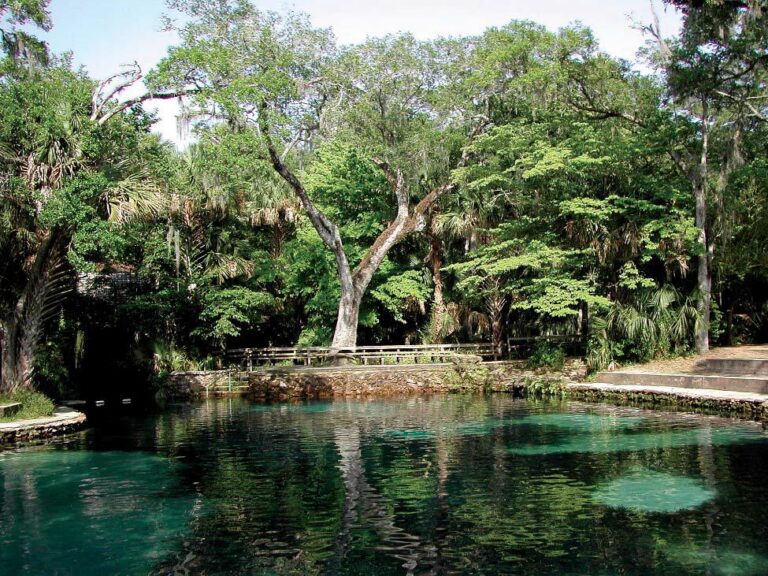
Silver Springs is one of Florida’s most iconic spring systems and the centerpiece of Silver Springs State Park in Marion County. The springs form the headwaters of the Silver River, a crystal-clear spring run that flows through floodplain forests and wetlands before joining the Ocklawaha River.
Silver Springs is famous for its exceptional water clarity, its long history as a tourism destination, and its park experiences—especially the historic glass-bottom boat tours, paddling routes, wildlife viewing, and trail system. The park also protects more than 5,000 acres of habitat, with opportunities ranging from short boardwalk strolls to camping and longer paddling adventures.
The Silver Springs System
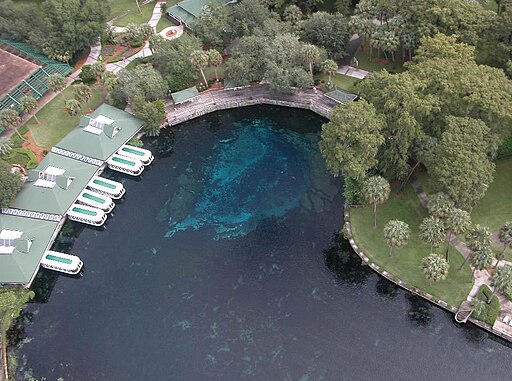
Silver Springs is a first-magnitude artesian spring system with dozens of vents contributing to the flow. The best-known vent is Mammoth Spring, often considered the main spring. The steady discharge from the Floridan aquifer is what creates the clear, constant flow that feeds the Silver River.
Because the springs are so clear, visitors can often see deep into the spring basin and observe fish and aquatic vegetation beneath the surface—especially on sunny days when light penetrates the water.
What makes Silver Springs unique
-
One of Florida’s most famous and historic spring attractions
-
Glass-bottom boat tours (the signature experience)
-
A major wildlife corridor along the Silver River
-
Multiple park entrances serving different experiences (headsprings area vs campground/museum side vs equestrian trails)
Glass-bottom boat tours
The classic Silver Springs experience is the glass-bottom boat tour, which gives you a direct view into the springs and the underwater ecosystem below.
Tour options and reservations
Tours typically start mid-morning and include shorter and longer options. On busy days, boat tickets can sell out, so reservations are recommended if you have a specific tour length in mind.
What you’ll see
Depending on conditions, visitors may spot:
-
fish and turtles in the spring basin
-
underwater limestone features and vents
-
wading birds and shoreline wildlife
-
occasional manatees during cooler weather
Paddling and kayaking
Silver Springs is one of Florida’s best places for paddling because the Silver River is scenic, wildlife-rich, and exceptionally clear.
The Fort King paddling loop (easy route)
A popular option is the Fort King paddling trail, a short loop-style paddle that lets you explore spring-fed waterways near the headsprings area. Expect a gentle current and lots of opportunities to stop and look into the water.
Paddling the full Silver River
For a longer adventure, paddlers can travel the Silver River route between the park and downstream access points. The current is mild but noticeable, and longer trips require planning for transportation or shuttle service.
Boating at Silver Springs
Silver Springs State Park does not provide a motorboat launch inside the park. Motorboats can access the river from downstream locations, and the Silver River is subject to park rules, including no-wake / idle-speed requirements.
Key things visitors should know:
-
The river is regulated and patrolled
-
Boats should remain in the main channel to avoid damaging vegetation and to prevent propeller damage
-
There are no places to disembark along most of the river corridor
Trails and hiking
Silver Springs State Park offers a large trail system, including a mix of short walks and longer loops through different habitats.
Popular trail types
-
Sandhill and pine uplands
-
Oak hammocks
-
River and wetland edges (with scenic overlooks in places)
Because conditions can change seasonally, especially in wetter months, it’s smart to bring water, sun protection, and insect repellent.
Biking and mountain biking
Silver Springs has limited paved biking opportunities, but it does offer mountain biking options on designated trails. Some areas restrict biking near the busiest pedestrian zones around the headsprings to reduce congestion.
Gardens and easy walking paths
One underrated part of Silver Springs is the headsprings area walkability—paved paths, scenic overlooks, and gardens make it a great stop even if you’re not doing a long hike or paddle.
The park includes multiple garden areas and short walk routes that work well for:
-
families with small kids
-
visitors with limited time
-
anyone looking for a relaxed visit
Camping and cabins
Silver Springs is also a solid “base camp” park.
Campground
The park has a large campground with electric and water hookups, and it can accommodate larger RVs. Sites include typical campground basics like picnic tables and grills.
Cabins
Cabins are available for visitors who want more comfort than tent camping, with indoor facilities and screened porches.
Silver River Museum and Pioneer/Cracker Village
The park includes a museum and historic area that adds a lot of depth to a visit.
Silver River Museum
Open on weekends and some holidays, with exhibits covering natural history, archaeology, and regional history.
Pioneer / Cracker Village
A collection of historic buildings that showcase 19th-century pioneer life and settlement-era Florida.
Food, concessions, and visitor services
The park has a restaurant/café and gift shop areas near the main visitor zones, plus visitor services that support tours, rentals, and park questions. (This is a helpful detail because many springs are “bring everything yourself”—Silver Springs is more built out.)
Park entrances and what each one is best for
Because Silver Springs has multiple entrances, this is worth clarifying:
Main entrance (headsprings)
Best for:
-
glass-bottom boats
-
gardens and paved walks
-
headspring viewing areas
-
kayak/canoe launch near headsprings (launch fee may apply)
Camping & museum entrance
Best for:
-
campground and cabins
-
museum access
-
trail access from the campground side
-
quieter day-use picnic areas
Equestrian entrance
Best for horseback riding and equestrian trail access (seasonal mud/insects possible)
Hours and fees
Silver Springs State Park is generally open 8 a.m. to sundown, year-round. The equestrian entrance and paddling access may close earlier than the main park closing time.
Entrance is typically per vehicle, with separate fees for:
-
glass-bottom boat tours
-
rentals and shuttle services
-
some launches or amenities
Tips for visiting Silver Springs
-
Book boat tours early if you want a specific time or longer tour
-
Bring binoculars for birding and wildlife
-
Arrive early on weekends/holidays
-
If paddling, plan your route and exit points
-
Remember: no swimming—plan your visit around tours, paddling, trails, and wildlife viewing
External Links
Frequently Asked Questions About Silver Springs
Can you swim at Silver Springs?
No. Swimming is not allowed at Silver Springs. Although the water looks incredibly inviting, the headspring area and the Silver River are managed to protect the spring ecosystem and maintain water clarity. Visitors who want to get on the water can instead explore the river by kayak, canoe, or paddleboard, or enjoy the famous glass-bottom boat tours.
Can you see manatees at Silver Springs?
Yes, manatees are sometimes seen at Silver Springs, especially during cooler months when they move into spring-fed rivers for warmer water. Even when manatees are not present, the river is home to plenty of wildlife including turtles, fish, birds, and alligators.
Are there monkeys at Silver Springs?
Yes. A population of wild rhesus macaque monkeys lives along the Silver River. The monkeys were introduced decades ago during the park’s early tourism era and have lived in the area ever since. Visitors occasionally see them along the riverbanks while paddling or on boat tours.
Photo: State of Florida, photo by H. Means, Public domain, via Wikimedia Commons
Sorry, no records were found. Please adjust your search criteria and try again.
Sorry, unable to load the Maps API.
Nearby Springs