Gum Springs & Gum Slough
Gum Springs & Gum Slough
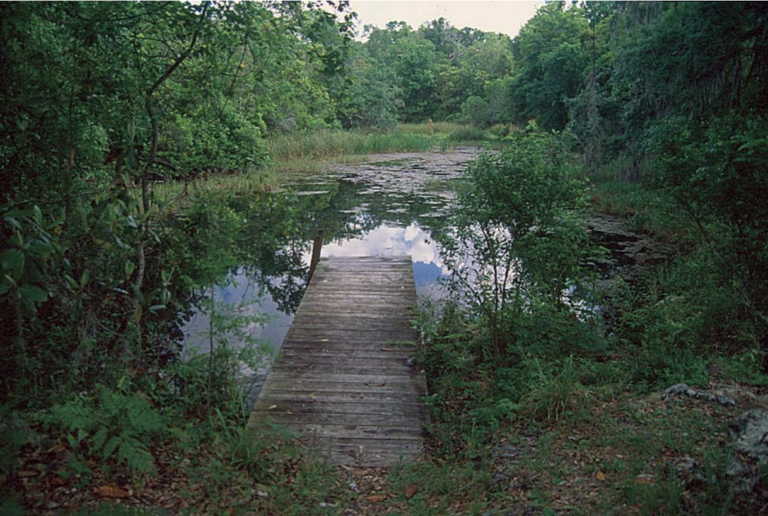
Gum Springs and Gum Slough are part of the same spring system in central Florida, but the names are often used interchangeably online — which can make the area confusing for visitors researching the springs.
Here’s the simplest way to understand it:
- Gum Springs refers to the group of individual spring vents and boils that feed the system.
- Gum Slough is the spring-fed waterway or run created by those springs as the water flows westward toward the Withlacoochee River.
So when you see references to:
- Gum Spring
- Gum Springs
- Gum Slough
- Gum Slough Springs Group
…they are generally discussing the same connected spring system in southern Marion County and northwestern Sumter County. Multiple scientific and hydrological sources use slightly different naming conventions for the same overall spring complex.
Overview
Hidden within the forests and wetlands near the Green Swamp region of central Florida, Gum Springs forms the headwaters of one of Florida’s most beautiful and least-developed spring runs.
Unlike famous roadside springs with boardwalks and crowds, Gum Slough feels remote, wild, and almost untouched. The narrow spring-fed channel winds through dense swamp forest before eventually joining the Withlacoochee River. Large sections remain surrounded by conservation land, wetlands, and forest.
The spring system is notable for:
- crystal-clear spring vents
- winding blackwater-and-springwater scenery
- exceptional paddling
- abundant fish and wildlife
- strong ecological importance
- surprisingly large spring flow hidden in a remote landscape
Although relatively unknown to most visitors, Gum Slough is actually a major spring system. Scientific studies classify the combined flow as a large second magnitude spring system, with average discharge around 98 cubic feet per second.
A Hidden Network of Springs
One reason the area is confusing is that Gum Slough is not fed by a single obvious spring basin.
Instead, the system consists of multiple spring vents spread along the upper slough, including:
- Gum Spring Main
- Gum Spring #1
- Alligator Spring
- Gum Springs #2, #3, and #4
- additional smaller vents and boils
Modern lidar mapping has even revealed previously unknown springs hidden beneath dense vegetation and swamp terrain. Researchers using topobathymetric lidar identified at least 11 additional karst features and springheads in the Gum Slough system.
This hidden hydrology is part of what makes Gum Slough so fascinating from both a geological and ecological perspective.
Geology & Hydrology
Gum Springs is part of Florida’s vast karst landscape, formed as slightly acidic groundwater slowly dissolved limestone over thousands of years.
The springs emerge from the Floridan Aquifer through submerged vents and boils hidden within the swamp and slough system. The area lies near the Green Swamp, one of the hydrological hearts of peninsular Florida and the headwaters region for several major river systems.
Unlike many famous Florida springs with broad open basins, Gum Slough is narrow and intimate. In some places the spring run becomes shallow, winding, and heavily shaded beneath cypress and hardwood canopy.
The system’s flow fluctuates with rainfall and groundwater conditions, but the springs provide a substantial amount of clear water to the slough year-round.
USGS monitoring stations track water levels and discharge within the system, reflecting its importance to regional hydrology and water management.
The Experience: Wild Florida Paddling
For kayakers and canoeists, Gum Slough offers one of the most authentic “Old Florida” paddling experiences in the state.
The upper slough is narrow and winding, with overhanging vegetation, tannic water mixing with clear spring flows, and dense swamp scenery in every direction. In lower water conditions, portions of the upper run may become shallow enough to require brief portages.
Paddlers often describe:
- crystal-clear spring vents
- underwater eelgrass beds
- quiet swamp forest
- excellent birdwatching
- abundant fish
- very little development
- a feeling of isolation rarely found in modern Florida
Because much of the surrounding land remains undeveloped or protected, the slough still feels remarkably natural despite nearby growth pressures from Ocala and The Villages.
Wildlife & Ecology
Gum Slough supports an impressive diversity of freshwater life.
Documented wildlife observations include:
- largemouth bass
- bowfin
- Florida gar
- spotted sunfish
- redbreast sunfish
- shiners
- killifish
- turtles
- wading birds
- aquatic insects
- freshwater snails
Large predatory fish are especially common around some of the spring vents, where clear water and submerged vegetation create ideal habitat.
The slough’s mix of spring-fed water, swamp habitat, submerged vegetation, and low-development surroundings makes it ecologically important within central Florida.
Water Quality & Environmental Concerns
Although Gum Slough appears pristine on the surface, scientific studies suggest the spring system has still been impacted by regional groundwater changes and nutrient pollution.
Research from the Southwest Florida Water Management District found elevated nitrate concentrations compared to estimated natural background conditions.
Algal growth observed in parts of the system may be linked to these nutrient increases.
Researchers have also studied:
- groundwater withdrawals
- changing land use
- declining flows
- watershed urbanization
- ecological impacts on the spring run
Despite these concerns, Gum Slough remains one of the more natural and undeveloped spring-fed waterways in central Florida.
Access & Recreation
Access to Gum Slough can be somewhat challenging because much of the surrounding land is private, conservation-managed, or difficult to reach.
The slough is primarily explored by:
- kayakers
- canoeists
- anglers
- wildlife photographers
- naturalists
Some paddling routes eventually connect with the Withlacoochee River system.
Visitors should expect:
- remote conditions
- limited facilities
- possible shallow sections
- abundant insects in warmer months
- changing water levels depending on rainfall
Because access conditions may change, it is wise to research launch points and water conditions before visiting.
Final Thoughts
Gum Springs and Gum Slough remain one of Florida’s lesser-known spring treasures — a place where the spring system feels hidden inside the swamp itself rather than built into a recreation park.
For paddlers, naturalists, photographers, and anyone searching for a quieter version of Florida’s springs, Gum Slough offers a rare glimpse of what much of the state may once have looked like before widespread development.
More Resources
- USGS – Gum Springs Near Holder Monitoring Station
- A Florida Spring Odyssey – Gum Slough, the spring that flows into Withlacoochee River (south)
- Topobathymetric Lidar Reveals Hidden Springs in Florida
- Southwest Florida Water Management District – Proposed Minimum Flows and Levels for the Gum Slough Spring Run
- Paul Rebmann Nature Photography – Gum Spring & Slough
- Florida Paddling Trails – Gum Slough
Photo: Florida Geological Survey, Bulletin No. 66
Sorry, no records were found. Please adjust your search criteria and try again.
Sorry, unable to load the Maps API.
Nearby Springs
