Ibis Spring
Ibis Spring
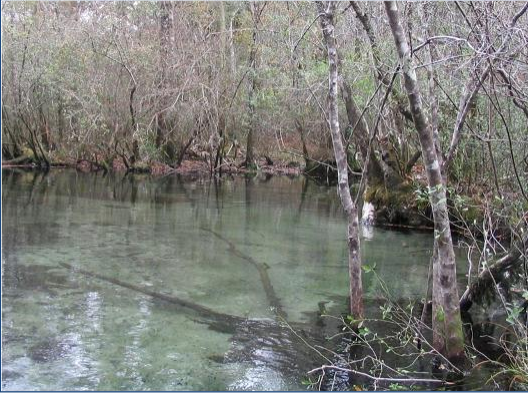
Hidden within the floodplain forests along lower Holmes Creek, Ibis Spring is one of the lesser-known springs in Washington County and a true hidden gem for adventurous paddlers exploring Northwest Florida’s spring systems. Tucked away in a shallow slough off Holmes Creek south of Vernon, the spring is easy to miss from the main channel, and many boaters and kayakers pass nearby without realizing it is there.
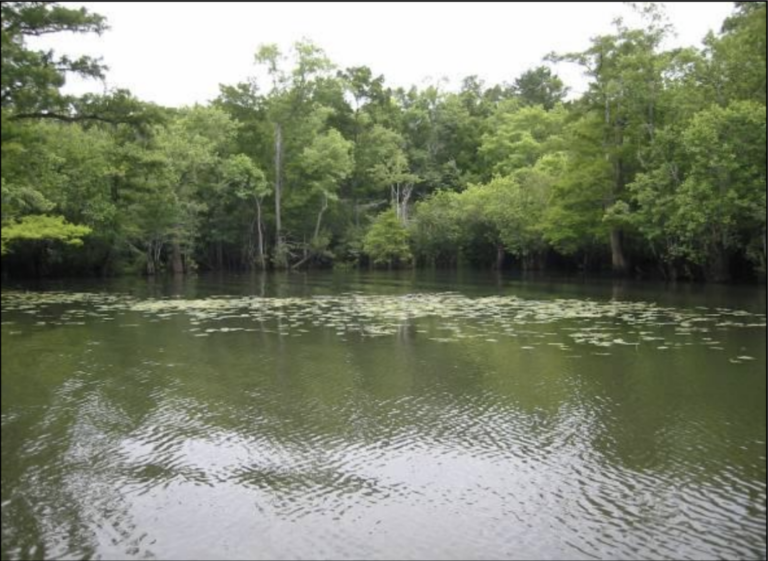
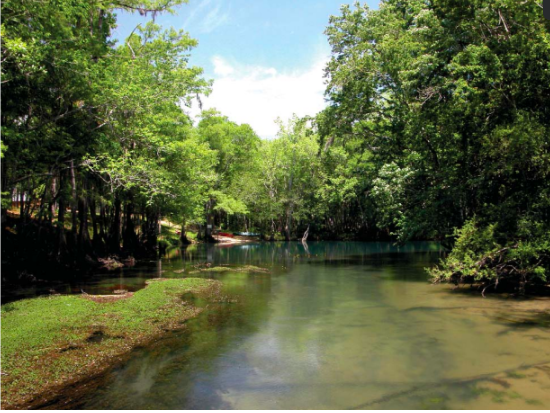
Ibis Spring remains largely undeveloped and natural in appearance. The surrounding area is dominated by swamp forest, seasonal floodplain wetlands, and dense vegetation, giving the spring a remote and secluded atmosphere rarely found at more heavily visited Florida springs.
Although the surface appearance can seem modest at first glance, underwater exploration reveals surprisingly clear spring water, submerged vegetation, fish, limestone features, and a distinct spring vent hidden beneath layers of natural silt and organic material.
The appeal of Ibis Spring comes from the feeling of finding something secret and largely overlooked within the Holmes Creek watershed.
Recreation and Activities
Ibis Spring is best suited for:
- Kayaking
- Canoeing
- Paddleboarding
- Snorkeling and swimming during favorable conditions
The spring is located along the Holmes Creek paddling trail and is most commonly visited by paddlers exploring the lower sections of Holmes Creek south of Vernon. Access typically involves launching upstream and paddling toward the area between Live Oak Landing and Miller’s Ferry Bridge.
Unlike more famous Florida springs designed around swimming or recreation infrastructure, Ibis Spring appeals primarily to explorers looking for quiet paddling routes and hidden natural features. The spring is often described as an “adventure spring” because locating the vent and spring run may require careful observation and exploration of side channels and shallow sloughs connected to Holmes Creek.
During periods of lower water, portions of the spring system may become difficult to access or partially obscured by vegetation and sediment.
Spring Features
Reports and local exploration videos describe at least two separate spring features associated with Ibis Spring:
- A primary head spring hidden within the floodplain forest
- A smaller secondary spring connected by a short spring run
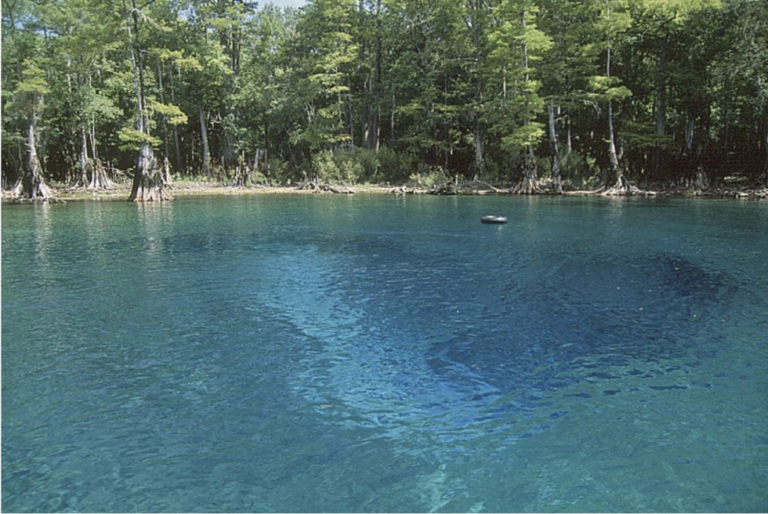
The main spring vent is partially covered by natural silt and vegetation, but clear cold water continues flowing from the limestone aquifer below. Underwater footage from local spring explorers has shown remarkably clear water beneath the darker surface conditions typical of swamp-fed spring systems.
The secondary spring is often noted for its scenic appearance, aquatic vegetation, schools of fish, and colorful underwater environment when water levels and visibility conditions are favorable.
The spring reportedly takes its name from ibis birds that occasionally use the surrounding floodplain as a rookery habitat.
Access Information
The nearest public access point to Ibis Spring is Live Oak Landing on Holmes Creek, located south of Vernon near Miller’s Ferry Road. From the landing, paddlers can follow Holmes Creek downstream toward the spring area.
The spring enters Holmes Creek from the eastern side of the creek approximately halfway between Live Oak Landing and Miller’s Ferry Bridge.
Because the spring is small, undeveloped, and partially hidden within the floodplain forest, GPS navigation and careful observation may be helpful when attempting to locate it.
Visitors should prepare for:
- Limited signage
- Natural obstacles
- Seasonal water level changes
- Mosquitoes and insects
- Muddy or swampy terrain near the spring entrance
Ecology and Environment
The floodplain surrounding Ibis Spring supports a wide variety of native Florida wetland species. Cypress trees, tupelo, aquatic vegetation, fish, wading birds, turtles, and amphibians are commonly associated with this portion of Holmes Creek.
Unlike highly developed recreational springs, Ibis Spring retains a relatively untouched ecological character. Seasonal flooding from Holmes Creek strongly influences visibility, accessibility, and the appearance of the spring basin throughout the year.
Natural sediment and organic material from surrounding vegetation partially cover portions of the spring vent system, contributing to the spring’s dark, hidden appearance from the surface despite the clearer water below.
External Resources
- Facebook post of the spring
- Northwest Florida Water Management District
- Paddling guide with info on Live Oak Landing
Photo: Northwest Florida Water Management District (used for informational reference).
Sorry, no records were found. Please adjust your search criteria and try again.
Sorry, unable to load the Maps API.
Nearby Springs