Anderson Spring
Anderson Spring
Summary
Anderson Spring is a secluded spring along the Suwannee River near Ellaville in Suwannee County, Florida. Hidden within the floodplain forest south of Interstate 10, the spring is one of the lesser-known but more intriguing springs in the region. Unlike many Florida springs that form large swimming basins, Anderson Spring is partially submerged within the Suwannee River itself and becomes much more visible during periods of lower river flow.
The spring lies within the Anderson Springs Recreation Area and the broader Twin Rivers State Forest corridor, where visitors can combine spring viewing with hiking, biking, fishing, horseback riding, paddling, and wildlife observation.
A Spring Hidden Within the River
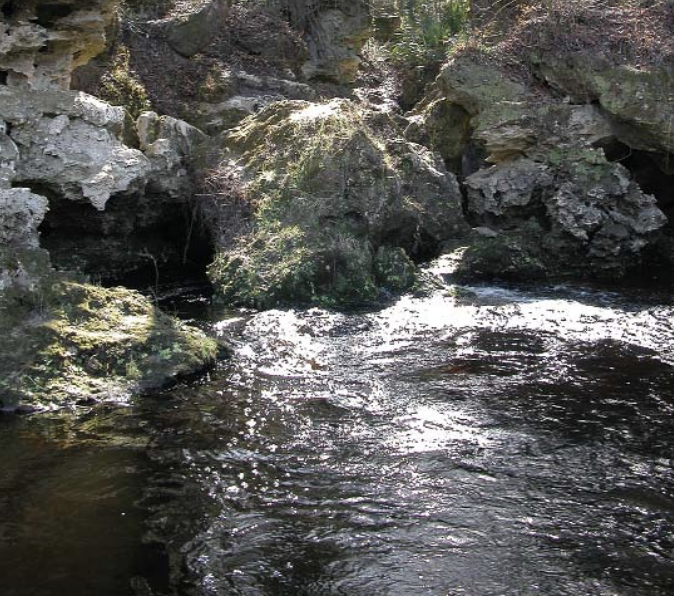
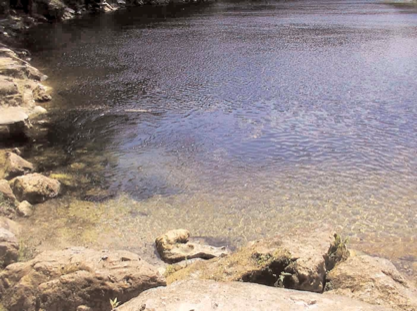
What makes Anderson Spring unusual is its location directly within the Suwannee River channel. During high water, the spring vent may be difficult or impossible to distinguish from the surrounding river water. When river levels fall, however, the spring boil becomes easier to identify, revealing clear yellow-green groundwater emerging from the limestone beneath the river.
According to geological surveys, the visible spring pool itself is relatively small — roughly 6 feet long and 3 feet wide — but the vent lies approximately 10 feet below the river bottom. Historic measurements estimated discharge at approximately 15 cubic feet per second.
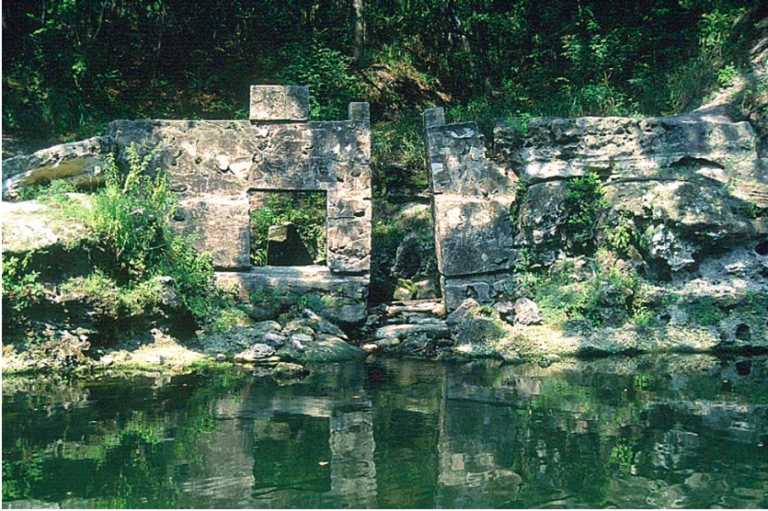
The surrounding terrain contains exposed limestone outcrops, moss-covered rock, hardwood forest, and steep riverbanks typical of the Suwannee River karst region.
Cave Diving and Underwater Exploration
Although Anderson Spring appears modest from the surface, cave divers have identified a substantial underwater cave system beneath the riverbed. Divers report that the system quickly descends through a shaft reaching depths near 80 feet before continuing into longer submerged passages extending thousands of feet.
Because of low visibility, changing river conditions, current, and overhead cave environments, Anderson Spring should only be explored underwater by properly trained cave divers.
The spring is also part of the broader karst network surrounding Ellaville, Falmouth, Lime Run, and Suwanacoochee Spring, an area known for extensive underground hydrologic connections beneath the Suwannee River corridor.
Recreation Area and Trails
The Anderson Springs Recreation Area offers a much quieter experience than Florida’s more developed springs parks. There are no large facilities, concession areas, or crowded swimming zones. Instead, the area is valued for its remote atmosphere and natural scenery.
Visitors come primarily for:
- hiking,
- mountain biking,
- horseback riding,
- fishing,
- birdwatching,
- paddling,
- and wildlife viewing.
A popular loop trail system winds through bottomland forest and along portions of the Suwannee River floodplain. The Anderson Springs Trail is known for its peaceful forest scenery, elevation changes uncommon in Florida, and occasional river overlooks.
The area also connects with sections of the Florida National Scenic Trail and the larger Twin Rivers State Forest trail network.
Swimming and Access
Swimming conditions at Anderson Spring vary significantly depending on Suwannee River water levels. During lower water periods, local visitors have historically used the spring area for swimming and cooling off, although there are no developed swimming facilities.
The spring is reached via River Road south of Interstate 10 near Ellaville. A small parking area provides access to the recreation tract and nearby trails. From there, short walks lead toward the river and spring area.
Because the spring lies directly within the river system, conditions can change rapidly after rain events or river flooding.
Ecology and Landscape
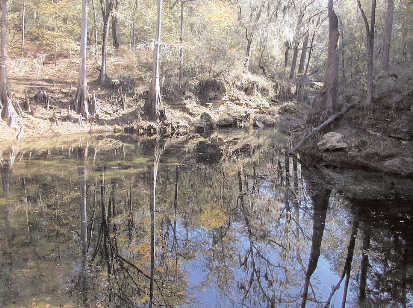
The Anderson Springs tract protects approximately 1,400 acres of bottomland forest along the eastern bank of the Suwannee River. Cypress, hardwoods, limestone outcrops, ferns, and moss create a distinctly Old Florida atmosphere.
Wildlife commonly seen in the area includes:
- wading birds,
- turtles,
- river fish,
- deer,
- songbirds,
- and occasionally otters.
The spring’s remote setting and dense forest canopy make it one of the quieter natural areas in the Suwannee River basin.
More Resources
Sorry, no records were found. Please adjust your search criteria and try again.
Sorry, unable to load the Maps API.
Nearby Springs