Newport Spring
Newport Spring
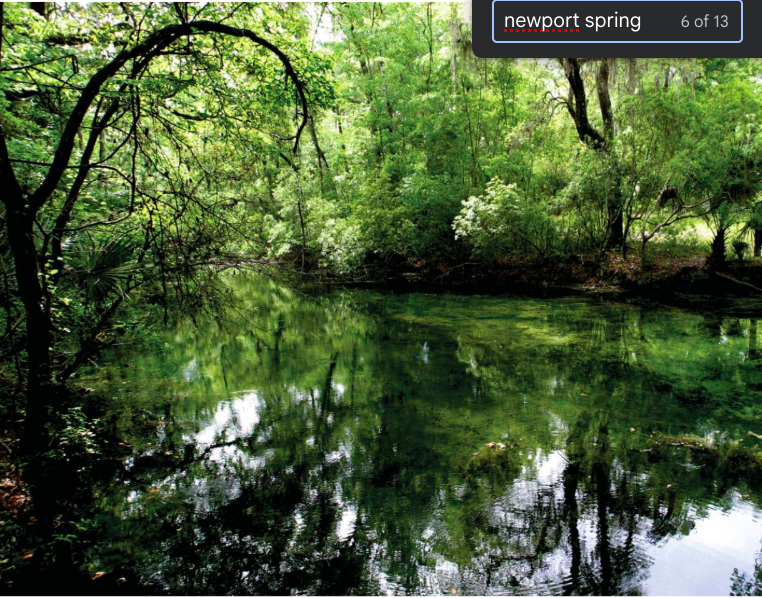
Hidden beneath a canopy of hardwoods along the St. Marks River, Newport Spring is one of North Florida’s most historically significant—but often overlooked—springs. This natural sulfur spring helped shape the founding of the community of Newport and later became a popular destination known for its mineral waters and spring-fed swimming pool.
Today, Newport Spring is a quiet roadside stop where visitors can experience a piece of Old Florida history. While the bathhouses and resort atmosphere of the early 1900s have disappeared, the spring continues to flow into the St. Marks River much as it has for generations.
If you’re exploring Wakulla County, Newport Spring offers something different from Florida’s larger spring parks: a chance to discover the history behind one of the state’s forgotten mineral springs.
History of Newport Spring
Newport Spring has been part of the area’s history for more than 180 years.
After a powerful hurricane destroyed the nearby port town of Port Leon in 1843, residents searched for a safer location farther inland. They selected the higher ground around several freshwater springs—including Newport Spring—and established the new community of Newport.
For a brief period, Newport became the county seat of Wakulla County and developed into an active river port on the St. Marks River. As transportation shifted toward railroads and nearby St. Marks became the region’s dominant shipping center, Newport gradually declined. The spring, however, remained a local landmark.
By the late 1800s and early 1900s, Newport Spring had become a popular recreation destination. Historic photographs show a spring-fed swimming pool, bathhouses, walkways, and visitors enjoying the cool mineral water. Like many sulfur springs throughout Florida, Newport Spring gained a reputation for its supposed healing properties, attracting people seeking both recreation and health benefits.
Today, those resort-era structures have disappeared, but the spring continues to preserve an important chapter of Florida’s history.
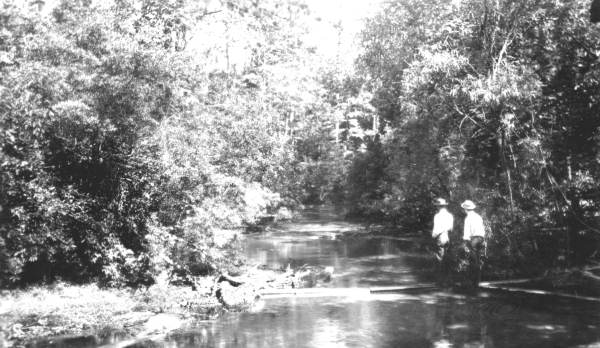

(State Archives of Florida/Gunter) (State Archives of Florida/Cooke)
What You’ll Find Today
Visitors today will find a much quieter setting than Newport Spring’s resort days.
The spring emerges beside Old Magnolia Road before flowing a short distance west into the St. Marks River. A concrete retaining wall surrounds much of the spring pool, reflecting modifications made decades ago when the site was developed as a swimming area.
Unlike many of Florida’s better-known springs, Newport Spring has no visitor center, boardwalks, picnic facilities, or developed recreation area. Instead, it’s best appreciated as a historic natural spring tucked away beneath the trees.
Swimming at Newport Spring
Historically, Newport Spring was a popular swimming destination complete with a spring-fed swimming pool.
Today, the spring is no longer managed as a developed swimming area. However, recent local videos and visitor reports suggest that some residents still use the spring as an informal swimming hole during warmer months.
Visitors should understand that Newport Spring is an undeveloped historic site rather than a managed county swimming park. Conditions can change, so always respect posted signs, nearby private property, and any local restrictions.
A Natural Sulfur Spring
One of Newport Spring’s defining features is its naturally occurring sulfur water.
Visitors often notice the distinctive mineral smell before reaching the spring. While unfamiliar to some visitors, sulfur springs are a natural part of Florida’s geology and have long been associated with mineral springs throughout the Southeast.
According to the Florida Geological Survey, Newport Spring emerges from a limestone vent into a spring pool approximately 75 feet across before flowing roughly 500 feet into the St. Marks River. The water supports naturally occurring sulfur-oxidizing bacteria, contributing to both its appearance and characteristic odor.
Why Newport Spring Is Unique
Newport Spring isn’t known for crystal-clear swimming or extensive visitor facilities. Instead, its appeal lies in its history.
Few Florida springs can claim to have influenced the founding of an entire community. Newport Spring helped draw settlers to higher ground following the destruction of Port Leon and later became the centerpiece of a small spring resort that welcomed visitors for decades.
Tips Before You Visit
Based on current conditions and local visitor observations:
- Newport Spring is a historic roadside spring rather than a developed spring park.
- Expect a noticeable sulfur smell—this is a natural characteristic of the spring.
- There are no developed visitor amenities such as restrooms, picnic areas, or a visitor center.
- Be respectful of nearby private property and obey any posted signs or restrictions.
Camping Nearby
While there is no camping at Newport Spring itself, Newport Campground is located just a few minutes south along US-98.
Operated by Wakulla County, the campground offers:
- Full-hookup RV sites
- Primitive campsites
- Boat ramp
- Kayak launch
- Restrooms and showers
- Pavilion and picnic area
- Short nature trail
- Observation deck overlooking the St. Marks River
Frequently Asked Questions
Is Newport Spring open to the public?
The spring can generally be viewed from Old Magnolia Road, but visitors should always respect posted signs and nearby private property.
Can you swim at Newport Spring?
Historically, Newport Spring featured a spring-fed swimming pool. Today it is no longer operated as a developed swimming area, although recent visitor reports suggest some locals still swim there.
Why does Newport Spring smell like sulfur?
Newport Spring is a natural sulfur spring. The sulfur compounds create the distinctive mineral smell that has characterized the spring for generations.
Is Newport Spring a large swimming spring?
No. Newport Spring is much smaller than destinations like Wakulla Springs or Madison Blue Spring and is better known for its historical significance than its recreational amenities.
Is Newport Spring worth visiting?
If you enjoy Florida history, hidden springs, or lesser-known natural attractions, Newport Spring makes an interesting short stop. Visitors looking for developed swimming facilities may prefer one of the region’s larger spring parks.
Resources
- Facebook post of the spring
- Wikipedia — Newport, Florida
- Northwest Florida Water Management District