Wekiwa Springs State Park
Wekiwa Springs State Park
Overview
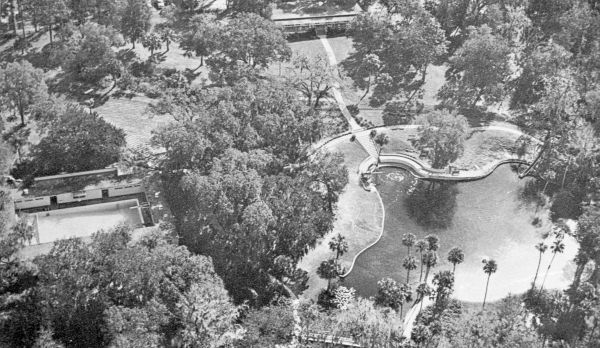
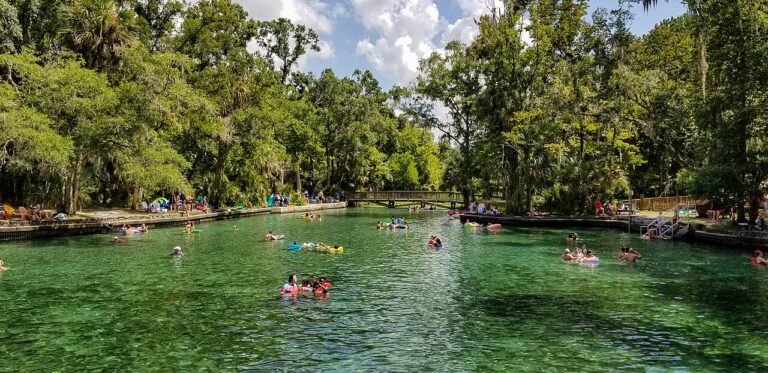
Wekiwa Springs State Park is one of the most popular natural springs near Orlando, offering a classic Central Florida mix of clear spring water, swimming, paddling, hiking, wildlife, and shaded picnic areas. Located in Apopka, the park protects Wekiwa Spring and the surrounding landscape. The spring run flows away from the swimming area and eventually joins Rock Springs Run to form the Wekiva River.
The spring itself (Wekiwa or “Wekiva” Spring) is the main attraction. It’s an easy way to experience a real Florida spring without driving far from Orlando. But the park is also much more than a swimming hole. It has miles of trails, canoe and kayak access, camping, wildlife viewing, and a long history as one of Central Florida’s earliest tourist attractions.
One thing to note is that Wekiwa Springs now requires day-use reservations for entry.
Reservations and Entry
Day-use reservations are currently required for Wekiwa Springs State Park. That means visitors should not assume they can simply drive up and enter, especially during warm weather, weekends, holidays, or school breaks.
Reservations are made online through Florida State Parks, and the entry fee is collected at the time of reservation. Same-day reservations may be available if the park has not reached its limit, but popular dates can fill up.
This reservation system is now one of the most important things to know before visiting. Many recent visitors specifically mention that they were glad they booked ahead, while others note that people without reservations may be turned away.
Swimming at Wekiwa Springs
Swimming is one of the biggest reasons people visit Wekiwa Springs. The swimming area is just over a half-acre and has an average depth of about four feet. Some areas are shallow enough for wading, while other spots are deeper near the spring vent. Many people bring goggles or a snorkel mask to see fish, the limestone bottom, and the spring boil more clearly.
There are no lifeguards on duty, so swimming is at your own risk. Children and non-swimmers should stay close to an adult swimmer. Individual-sized flotation devices are allowed in the swimming area, but diving and jumping are not permitted because the spring is relatively shallow.
Swimming and snorkeling are limited to the designated spring swimming area. Swimming is not allowed in Wekiwa Springs Run, Rock Springs Run, or the Wekiva River.
This is not a scuba or cave-diving destination for the public. Scuba, hookah, and other tank-assisted or tethered breathing systems are not permitted.
Paddling and the Wekiva River
Wekiwa Springs is also a major paddling destination. Canoes and kayaks can be rented through the park concession, and many visitors use the park as a launch point for exploring the spring-fed waterways nearby.
The paddling experience is different from the swimming area. Once on the water, you’ll often see turtles, wading birds, fish, and alligators along the river corridor. Some visitors also report seeing manatees in the broader Wekiva system, though sightings vary by season and conditions.
Paddlers should remember that this is wild habitat. Give alligators and other wildlife plenty of space, stay alert, and follow park and concession instructions.
Hiking, Biking, and Horse Trails
Wekiwa Springs State Park also has an extensive trail system, with routes ranging from short walks near the spring to longer trail loops through the park’s natural communities.
The shortest trail begins near the spring and travels from the wet hammock area up toward drier uplands. Longer routes include the Orange Trail and White Trail, which allow visitors to explore a wider range of habitats, including sandhill, hardwood hammock, flatwoods, and river swamp.
The park is also used by bicyclists and horseback riders on designated multi-use trails, so hikers should be prepared to share some routes. Wildlife sightings may include deer, turkeys, gopher tortoises, birds, and, less commonly, bobcats or Florida black bears.
Camping and Picnicking
Wekiwa Springs State Park works well as both a day-use spring and an overnight camping destination. The park has picnic areas near the spring, pavilions for group use, and camping options for visitors who want to stay longer.
The spring slope is a popular place to spread out a blanket, eat lunch, and relax between swims. Because the park gets busy, arriving with food, water, towels, and a plan for the day can make the visit much easier.
History
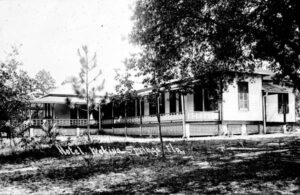
Clay Springs Hotel – Wekiwa Springs, Florida. 1915 (circa). State Archives of Florida, Florida Memory. Accessed 10 Jun. 2026.<https://www.floridamemory.com/items/show/152511>
Wekiwa Springs has been attracting visitors since the 1800s, long before Central Florida became known for theme parks. The spring was originally called Clay Springs, after an early property owner, and it became one of the region’s earliest natural attractions.
By the 1890s, a hotel and bathhouse complex had been established at the spring. Historic photos of the Clay Springs Hotel show how the area was promoted as a recreation and health destination, with visitors coming to swim, relax, and enjoy the spring’s clear water. One historic name associated with the hotel was Ton-Ya-Wa-Tha, or Tonyawatha, meaning “healing waters.”
The name changed from Clay Springs to Wekiwa Springs in the early 1900s, but the appeal remained the same: cool spring water, shaded natural scenery, and an easy escape from nearby towns. Later, the land was owned by the Apopka Sportsman Club, which used the area for outdoor recreation before the property was eventually preserved as a Florida state park.
Ecology and Conservation
Wekiwa Spring is a designated Outstanding Florida Spring and a second-magnitude spring. The spring discharges from a limestone fissure and forms the headwaters of the Wekiva River system.
The surrounding park protects important natural communities, including scrub, sandhill, hardwood hammock, flatwoods, and river swamp. These habitats support a wide variety of wildlife, from fish and turtles in the water to deer, birds, gopher tortoises, and black bears in the surrounding uplands.
Like many Florida springs, Wekiwa is also part of a larger conservation story. The Wekiva Spring Group has been identified as impaired, and the region has ongoing concerns related to water quality, groundwater withdrawals, nutrient pollution, and land use in the springshed.
Visitor Experience
Wekiwa Springs is popular because it offers several Florida experiences in one place. You can swim in clear spring water, paddle a wild river, hike through shaded forest, picnic near the water, and look for wildlife without going far from Orlando.
Recent visitor reviews often mention the same themes: the water is clear and cold, the spring is beautiful, kayaking and canoeing are highlights, trails are worth exploring, and reservations are essential. Many visitors also note that the park can get crowded, especially later in the day or during warmer months.
For the best experience, reserve ahead, arrive early, bring goggles or a snorkel mask, pack food and water, and plan around the heat and crowds.
Frequently Asked Questions
Is swimming allowed at Wekiwa Springs?
Yes, swimming is allowed in the designated spring swimming area. Swimming is not allowed in Wekiwa Springs Run, Rock Springs Run, or the Wekiva River.
Do you need a reservation for Wekiwa Springs State Park?
Yes. Day-use reservations are currently required for Wekiwa Springs State Park. Visitors should book online before arriving, especially on weekends, holidays, and warm-weather days.
How much does it cost to visit Wekiwa Springs State Park?
The standard day-use entry fee is $6 per vehicle, with lower fees for single-occupant vehicles, pedestrians, bicyclists, and certain extra passengers. Check the official Florida State Parks page before visiting because fees can change.
Can you kayak at Wekiwa Springs?
Yes, Wekiwa Springs is a popular place for canoeing and kayaking. Rentals are available through the park concession, and paddlers can explore the spring-fed waterways connected to the Wekiva River system.
Are there alligators at Wekiwa Springs?
Yes, alligators live in the Wekiva River system and surrounding waterways. They are part of the natural ecosystem. Visitors should keep their distance, avoid feeding wildlife, and follow park safety rules.
More Resources
- Florida State Parks – Wekiwa Springs State Park
- Florida Springs Institute – Wekiwa Spring Group
- St. Johns River Water Management District
- Wekiwa Springs Adventures
- Visit Florida
Bart Everson, CC BY 2.0 <https://creativecommons.org/licenses/by/2.0>, via Wikimedia Commons